
Post
Slow Feeder Dog Bowl Review: A Must-Have for Fast Eaters
May
A slow feeder dog bowl is one of those simple pet accessories that solves a surprisingly serious problem: dogs eating too fast. At first glance, it just looks like a bowl with patterns or obstacles inside. But in reality, it plays an important role in improving digestion, reducing health risks, and changing your dog’s eating behavior.
For many pet owners, it’s not just a “nice-to-have” item—it becomes a necessary daily feeding tool.
But does it really work, or is it just another pet trend?
Let’s take a detailed, practical look.
What Is a Slow Feeder Dog Bowl?
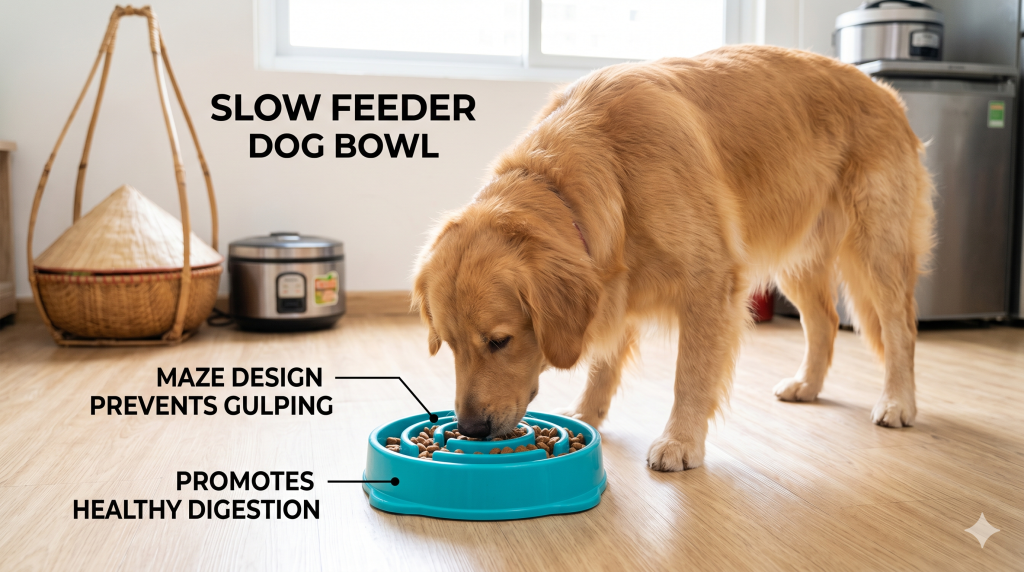
A slow feeder dog bowl is a specially designed feeding dish that includes raised ridges, maze patterns, or compartments inside the bowl. Instead of allowing dogs to eat large mouthfuls quickly, it forces them to eat around obstacles.
Eating speed∝1food accessibility complexity\text{Eating speed} \propto \frac{1}{\text{food accessibility complexity}}
In simple terms:
- The harder it is to reach the food
- The slower the dog eats
These bowls are usually made from:
- Plastic (most common)
- Stainless steel (more durable)
- Silicone mats or puzzle feeders
They are designed for both dry kibble and wet food depending on the structure.
Why Fast Eating Is a Problem for Dogs
Many dogs naturally eat too quickly, especially if they:
- Feel competitive around other pets
- Have high food drive
- Were previously underfed or rescued
- Are naturally greedy eaters
This behavior can lead to serious issues.
Common risks of fast eating:
- Vomiting after meals
- Excess gas and bloating
- Choking hazards
- Stomach discomfort
- Increased risk of gastric dilation (bloat)
Veterinarians warn that eating too quickly can increase air intake and digestive strain, which may lead to dangerous conditions like bloat in some dogs.
In severe cases, bloat can become life-threatening if not treated quickly.
How Slow Feeder Bowls Actually Work
Instead of letting dogs scoop large amounts of food at once, slow feeders:
- Break food into smaller sections
- Force dogs to “work” for each bite
- Encourage chewing instead of gulping
- Slow down the entire meal process
This creates a natural pacing effect where dogs cannot physically eat too fast, even if they want to.
Studies and veterinary explanations show that these bowls are effective because they force smaller bites and slower consumption patterns.
Real-World Effectiveness: Do They Really Work?
In real-world usage, most owners notice a clear difference immediately.
Before slow feeder:
- Dog finishes meal in 30–60 seconds
- Loud gulping sounds
- Food disappears instantly
- Occasional coughing or vomiting
After slow feeder:
- Eating time increases to 5–15 minutes
- Dog pauses between bites
- Less gulping and air intake
- More controlled chewing behavior
Some users report that slow feeders can increase eating time by several times compared to a normal bowl.
However, effectiveness varies depending on:
- Bowl design complexity
- Dog size and breed
- Food type (wet or dry)
- Dog motivation and behavior
Health Benefits of Slow Feeder Bowls
Slow feeder bowls are not just about slowing eating—they provide multiple health advantages.
1. Better digestion
Slower eating gives the stomach time to process food properly, reducing:
- Gas buildup
- Stomach discomfort
- Regurgitation
2. Reduced choking risk
Smaller bites mean less chance of food entering the airway incorrectly.
3. Lower risk of bloating
Eating too fast can cause dogs to swallow air, increasing risk of bloat. Slower feeding reduces this risk.
4. Improved portion control
Dogs feel full more naturally because the brain has time to register food intake.
5. Mental stimulation
Eating becomes a puzzle-like activity, helping reduce boredom and anxiety.
This mental engagement is especially helpful for dogs left alone during the day.
Types of Slow Feeder Bowls
Not all slow feeders are the same. Each design has different difficulty levels and use cases.
1. Maze-style bowls
- Deep ridges and spiral patterns
- Most common design
- Medium difficulty
2. Grid or partition bowls
- Divided sections
- Easier for beginners
- Good for small dogs
3. Puzzle bowls
- Complex shapes and obstacles
- High difficulty
- Best for very fast eaters
4. Silicone mats (lick mats)
- Spread food across flat surface
- Encourages licking instead of chewing
- Great for wet food or treats
Real-World Experience from Dog Owners
User experiences vary, but most feedback is generally positive.
Positive feedback:
- Dogs eat significantly slower
- Reduced vomiting in fast eaters
- Better digestion and less gas
- Dogs become more focused during meals
Mixed feedback:
- Some dogs get frustrated initially
- Very intelligent dogs may adapt quickly
- Not all designs slow eating equally
Some owners also switch between different feeder types to maintain effectiveness.
Common Problems and Limitations
While slow feeder bowls are helpful, they are not perfect.
1. Cleaning difficulty
Food can get stuck in grooves, especially wet food.
2. Chewing risk
Some dogs may try to chew or damage plastic bowls.
3. Not effective for all dogs
Some dogs still manage to eat quickly after learning the pattern.
4. Material quality varies
Cheap bowls may break or wear out quickly.
5. Size mismatch issues
If the bowl is too small, food piles up and defeats the purpose.
Safety Considerations
Slow feeder bowls are generally safe, but proper usage matters:
- Always supervise first uses
- Choose BPA-free, non-toxic materials
- Match bowl difficulty to dog size
- Avoid overly complex designs for beginners
Veterinarians also recommend monitoring dogs initially to ensure they adapt well.
Who Should Use a Slow Feeder Bowl?
Ideal for:
- Dogs that finish meals in under 1 minute
- Dogs that vomit after eating
- Large or deep-chested breeds (higher bloat risk)
- Dogs with anxiety around food
- Multi-dog households with competition eating
Less necessary for:
- Slow or picky eaters
- Dogs that naturally chew food
- Free-fed dogs without urgency behavior
Are Slow Feeder Dog Bowls Worth It?
Yes—for fast eaters, they are one of the most effective and low-cost behavioral tools available.
They provide:
- Slower eating speed
- Better digestion
- Reduced health risks
- Mental stimulation
- Improved feeding behavior
They are inexpensive compared to vet bills caused by digestive issues or emergency conditions like bloat.
Final Verdict
A slow feeder dog bowl is a simple but powerful tool that significantly improves mealtime behavior for fast-eating dogs.
In summary:
- It effectively slows down eating speed
- It improves digestion and reduces risks
- It provides mental stimulation during meals
- It is affordable and easy to use
Final conclusion:
A slow feeder dog bowl is absolutely worth it if your dog eats too fast, turning stressful mealtimes into safer, slower, and more controlled feeding experiences.
