
Post
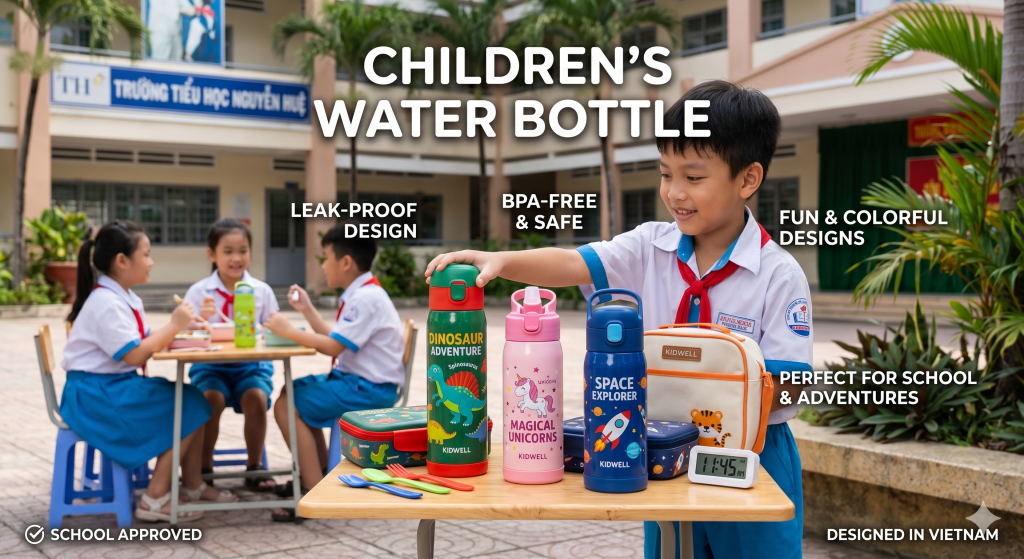
Children’s Water Bottle Review: Leak-Proof and Kid-Approved
May
A children’s water bottle might look like a simple school item, but for parents, it quickly becomes one of the most important daily essentials. The right bottle can keep kids hydrated, prevent messy spills in school bags, and even encourage them to drink more water throughout the day.
Modern kids’ water bottles are designed to solve three main problems:
leakage, durability, and ease of use. But in real life, not all bottles perform equally well.
So the real question is: do “leak-proof” kids’ water bottles actually work, or do they still leak in everyday use?
Let’s break it down in detail.
What Makes a Good Children’s Water Bottle?
A good kids’ water bottle is not just about cute colors or cartoon designs. It needs to function well under real conditions—being dropped, tossed in backpacks, and used by small hands.
Key features parents look for:
- Leak-proof or spill-resistant design
- Durable materials (plastic or stainless steel)
- Easy-to-use lids for kids
- Safe drinking spout or straw system
- Easy cleaning and hygiene
- Appropriate size and weight
According to product testing reviews, the best kids’ bottles are those that are leakproof when properly closed, durable enough to survive daily drops, and easy for children to handle independently.
Leak-Proof Design: Does It Really Work?
“Leak-proof” is one of the most advertised features—but it often depends on usage.
In reality:
- Most bottles are leak-proof only when fully closed
- Some may still drip if the straw is left open or partially sealed
- Pressure changes (like in backpacks or cars) can sometimes cause minor leakage
For example, popular insulated kids’ bottles are tested to be leak-proof when closed properly, preventing spills in school bags and lunch boxes.
However, real-world users often report that:
- Straw-style bottles can drip slightly if shaken
- Flip-top lids may leak if not locked correctly
- Improper sealing is the most common cause of spills
So the truth is: design matters, but user behavior matters just as much.
Materials: Plastic vs Stainless Steel
Children’s water bottles usually come in two main materials, each with advantages and drawbacks.
1. Plastic bottles
Pros:
- Lightweight
- Affordable
- Easy for young kids to carry
- Often fully dishwasher safe
Cons:
- Less temperature control
- Can wear out faster
- May absorb odors over time
2. Stainless steel bottles
Pros:
- Keeps drinks cold for hours
- Very durable and drop-resistant
- No condensation (“sweating”)
- Longer lifespan
Cons:
- Heavier than plastic
- More expensive
- Some require hand washing
Studies show insulated stainless steel bottles are especially effective at keeping drinks cold for hours, which encourages kids to drink more water during school days.
Real-World Durability: Kids Are Tough on Bottles
Children’s water bottles go through extreme daily stress:
- Dropped on floors
- Thrown into backpacks
- Left in schoolyards
- Used roughly during play
What good bottles survive:
- Repeated drops without cracking
- Backpack pressure and weight
- Daily washing cycles
High-quality models like stainless steel insulated bottles are often reported to survive an entire school year even under heavy use.
Lower-quality bottles, however, may:
- Crack after a few drops
- Lose sealing ability
- Develop leaking lids over time
Durability is often what separates premium bottles from budget ones.
Ease of Use for Kids
A bottle is only good if a child can use it independently.
Important usability factors:
- Easy-open lids (no strong force required)
- One-hand drinking access
- Straw or spout that fits small mouths
- Comfortable grip or handle
Many experts recommend bottles that allow kids to drink without complex steps, since complicated lids often discourage hydration.
Some designs even include:
- Push-button lids
- Flip straws
- Bite valves
But simpler designs often work better for younger children.
Cleaning and Hygiene: A Hidden Issue
One of the most overlooked aspects of kids’ water bottles is cleaning.
Common problems:
- Straw parts trap dirt and bacteria
- Rubber seals can collect mold
- Hard-to-reach corners inside lids
Reports from parents highlight that bottles with complex lids can become difficult to clean thoroughly, leading to hygiene concerns over time.
Best cleaning-friendly features:
- Wide mouth opening
- Fully detachable lids
- Dishwasher-safe parts
- Minimal small components
Simpler designs are often easier to maintain and safer long-term.
Real-World Performance: What Parents Actually Experience
In daily use, most parents report similar patterns:
Positive experiences:
- Kids drink more water when bottles are fun and easy to use
- Good bottles prevent leaks in school bags
- Insulated bottles keep water cold longer
- Durable bottles survive rough handling
Common complaints:
- Straws can get dirty or lost
- “Leak-proof” only works when fully closed
- Some bottles are hard to clean
- Replacement parts may be needed over time
In online discussions, many parents agree that no bottle is perfect, but some brands consistently perform better in real-world conditions, especially those with strong sealing systems and simple designs.
Best Use Cases for Kids’ Water Bottles
1. School use
- Leak-proof sealing is essential
- Fits in backpack pockets
- Easy for teachers and kids to manage
2. Outdoor activities
- Durable build is more important
- Insulated bottles help maintain temperature
3. Home use
- Easier cleaning becomes priority
- Less concern about portability
4. Sports and travel
- Fast drinking access
- Strong grip and drop resistance
Common Problems Parents Should Know
Even the best bottles have limitations:
1. No bottle is 100% leak-proof in all situations
Most only prevent leaks when fully sealed.
2. Straws wear out over time
They may need replacement after heavy use.
3. Rubber seals can trap moisture
This can lead to odor or mold if not cleaned properly.
4. Kids may misuse lids
Leaving them partially open often causes spills.
Are Kids’ Water Bottles Worth It?
Yes—a good children’s water bottle is absolutely worth it.
It provides:
- Better hydration habits
- Fewer school bag leaks
- Improved convenience for kids
- Long-term durability
- Healthier drinking routines
Compared to cheap disposable bottles or poorly designed cups, a quality reusable bottle saves money and reduces mess in the long run.
Final Verdict
A children’s water bottle is more than just a container—it is a daily-use tool that directly affects hydration, convenience, and cleanliness.
In summary:
- Leak-proof designs work best when properly closed
- Stainless steel bottles offer better durability and temperature control
- Plastic bottles are lighter and easier for younger kids
- Cleaning simplicity is just as important as design
- Real-world performance depends heavily on usage habits
Final conclusion:
A good leak-proof kids’ water bottle is a must-have for school and daily life, but the best choice is always a balance between durability, ease of use, and simple cleaning—not just marketing claims of being “100% leak-proof.”
