
Post
Slow Feeder Dog Bowl Review: A Must-Have for Fast Eaters
May
Slow Feeder Dog Bowl: Does It Really Help Dogs Eat Slower?
A slow feeder dog bowl may look like a simple pet accessory, but it solves a surprisingly serious issue: dogs eating too fast. At first glance, it seems like nothing more than a bowl with patterns or obstacles inside. In reality, a slow feeder dog bowl can improve digestion, reduce health risks, and completely change a dog’s eating behavior.
For many pet owners, it becomes more than just a convenience item—it becomes a daily feeding essential.
But does a slow feeder dog bowl actually work, or is it just another pet trend?
Let’s break it down properly.
What Is a Slow Feeder Dog Bowl?
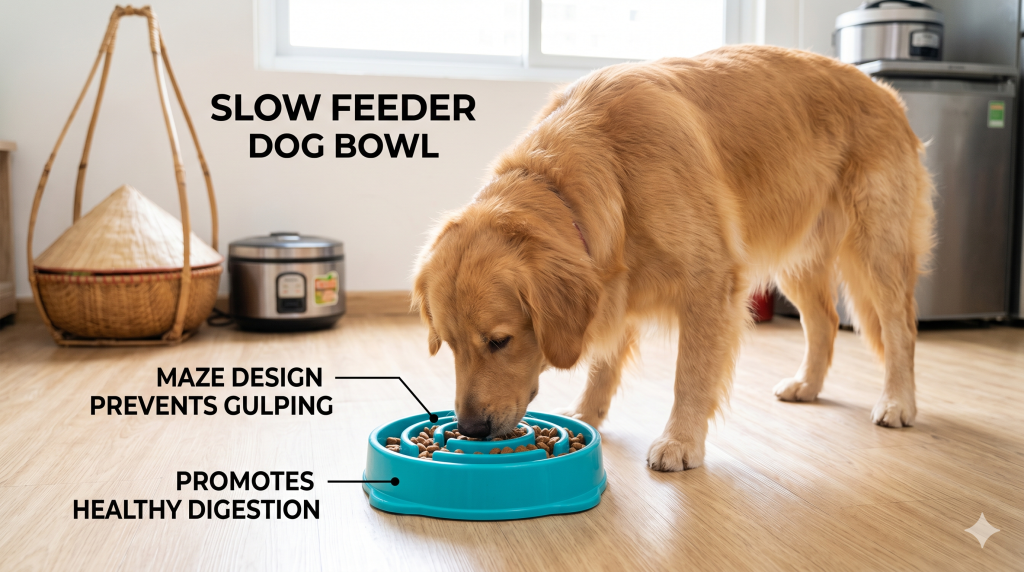
A slow feeder dog bowl is a specially designed feeding bowl that contains raised ridges, maze patterns, or compartments inside the dish. Instead of allowing dogs to gulp food quickly, the bowl forces them to eat around obstacles.
Eating speed∝1food accessibility complexity\text{Eating speed} \propto \frac{1}{\text{food accessibility complexity}}
In simple terms:
- The harder food is to access
- The slower the dog eats
A slow feeder dog bowl is commonly made from:
- Plastic
- Stainless steel
- Silicone feeding mats
These bowls are designed for dry food, wet food, or both depending on the structure.
Why Fast Eating Is Dangerous for Dogs
Many dogs naturally eat too quickly, especially if they:
- Compete with other pets
- Have high food motivation
- Experienced food scarcity previously
- Are naturally aggressive eaters
Fast eating can create serious health risks.
Common problems include:
- Vomiting after meals
- Excessive gas
- Choking
- Stomach discomfort
- Increased risk of bloat
Veterinarians warn that swallowing food too quickly increases air intake and digestive stress. In severe cases, bloating conditions can become life-threatening.
A slow feeder dog bowl helps reduce these risks by naturally slowing food intake.
How a Slow Feeder Dog Bowl Actually Works
Instead of allowing large mouthfuls, a slow feeder dog bowl:
- Separates food into smaller areas
- Forces dogs to work around obstacles
- Encourages chewing instead of gulping
- Extends overall eating time
This pacing effect prevents dogs from consuming meals too quickly.
Veterinary explanations and product testing consistently show that a slow feeder dog bowl effectively slows down food consumption by forcing smaller bites and more controlled eating behavior.
Real-World Effectiveness of a Slow Feeder Dog Bowl
Most dog owners notice immediate changes after switching to a slow feeder dog bowl.
Before Using a Slow Feeder
- Meals finished in under 1 minute
- Loud gulping sounds
- Occasional vomiting
- Rapid swallowing without chewing
After Using a Slow Feeder
- Meals take 5–15 minutes
- Dogs pause between bites
- Less air swallowing
- More controlled chewing
Some dogs increase eating time by several times compared to regular bowls.
However, effectiveness depends on:
- Bowl complexity
- Dog breed and size
- Food type
- Dog intelligence and behavior
Not every slow feeder dog bowl works equally well for every dog.
Health Benefits of a Slow Feeder Dog Bowl
A slow feeder dog bowl offers more than slower eating speed.
Better Digestion
Slower meals reduce:
- Gas buildup
- Stomach discomfort
- Regurgitation
- Digestive stress
Reduced Choking Risk
Smaller bites reduce the chance of choking.
Lower Bloat Risk
Fast eaters swallow more air. A slow feeder dog helps reduce excessive air intake during meals.
Improved Portion Control
Dogs feel full more naturally because eating takes longer.
Mental Stimulation
Eating becomes a puzzle-like activity, reducing boredom and increasing engagement.
This mental stimulation is especially helpful for dogs left alone frequently.
Types of Slow Feeder Dog Bowl Designs
Different dogs benefit from different feeder styles.
1. Maze-Style Slow Feeder Dog Bowl
Features
- Spiral ridges
- Medium difficulty
- Most common design
Best For
- Average fast eaters
- General daily feeding
2. Grid or Partition Bowls
Features
- Divided food sections
- Simpler layout
- Lower difficulty
Best For
- Small dogs
- Beginners
3. Puzzle Slow Feeder Dog Bowl
Features
- Complex obstacles
- Higher difficulty
- Extended eating time
Best For
- Extremely fast eaters
- Highly food-motivated dogs
4. Silicone Lick Mats
Features
- Flat textured surface
- Encourages licking
- Works well with wet food
Best For
- Anxiety reduction
- Wet food feeding
- Treat enrichment
Real-World Experience From Dog Owners
Most feedback about the slow feeder dog is positive.
Positive Experiences
- Dogs eat significantly slower
- Reduced vomiting after meals
- Better digestion
- Less bloating and gas
- More focused mealtime behavior
Mixed Experiences
- Some dogs become frustrated initially
- Intelligent dogs may adapt quickly
- Some designs are too easy
Many owners rotate between different slow feeder dog styles to maintain effectiveness.
Common Problems and Limitations
Although useful, a slow feeder dog is not perfect.
Cleaning Difficulty
Wet food may stick inside grooves and ridges.
Chewing Risk
Some dogs chew plastic bowls aggressively.
Not Effective for Every Dog
Certain dogs still eat quickly after learning the bowl pattern.
Material Quality Issues
Cheap bowls may crack, slide, or wear out.
Incorrect Size Selection
A bowl that is too small can make feeding uncomfortable and less effective.
Safety Tips for Using a Slow Feeder Dog Bowl
A slow feeder dog is generally safe when used properly.
Important recommendations:
- Supervise first-time use
- Choose BPA-free materials
- Match difficulty to dog size
- Avoid extremely difficult puzzles for beginners
Veterinarians also recommend observing dogs during the adjustment period.
Who Should Use a Slow Feeder Dog Bowl?
A slow feeder dog is ideal for:
- Dogs finishing meals in under 1 minute
- Dogs that vomit after eating
- Large breeds prone to bloating
- Food-anxious dogs
- Multi-dog households
It may be less necessary for:
- Naturally slow eaters
- Picky eaters
- Free-fed dogs without urgency behavior
Is a Slow Feeder Dog Bowl Worth It?
Yes—a slow feeder dog is one of the most effective low-cost feeding tools available for fast eaters.
Benefits include:
- Slower eating speed
- Improved digestion
- Reduced health risks
- Mental stimulation
- Better feeding behavior
Compared to expensive veterinary treatment for digestive issues, a slow feeder dog is a very affordable preventive solution.
Final Verdict on Slow Feeder Dog Bowls
A slow feeder dog is a simple but highly effective tool that improves mealtime behavior and digestive health for fast-eating dogs.
In Summary
- It successfully slows eating speed
- It improves digestion
- It reduces bloating and choking risks
- It provides mental stimulation
- It is affordable and easy to use
Final conclusion:
A slow feeder dog is absolutely worth buying for dogs that eat too quickly, transforming stressful meals into slower, safer, and healthier feeding experiences.
External Resources
