
-
×
 Desk Drawer Organizer 2 × 13 $
 -
×
Adjustable Dumbbell Pair 2 × 80 $
-
×
Vacuum Insulated Tumbler 1 × 18 $
-
×
Gaming Mouse Wired 2 × 25 $
-
×
Children's Water Bottle 2 × 9 $
-
×
Backpack Laptop Bag 1 × 40 $
-
×
Garden Tool Set 8-Piece 1 × 30 $
-
×
Wireless Keyboard and Mouse Combo 1 × 30 $
-
×
Men's Analog Quartz Watch 2 × 40 $
-
×
Slow Feeder Dog Bowl 1 × 14 $
-
×
LED Desk Lamp with USB Port 1 × 25 $
-
×
Men's Running Shoes 1 × 50 $
-
×
Yoga Mat Non-Slip 1 × 20 $
-
×
Resistance Bands Set 1 × 19 $
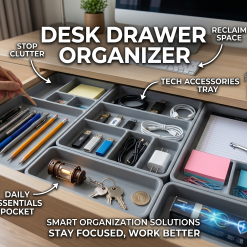 Desk Drawer Organizer
 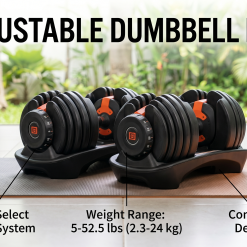 Adjustable Dumbbell Pair
 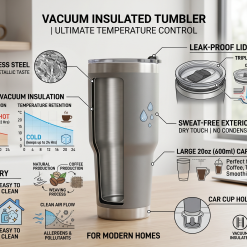 Vacuum Insulated Tumbler
  Gaming Mouse Wired
 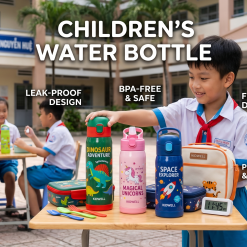 Children's Water Bottle
 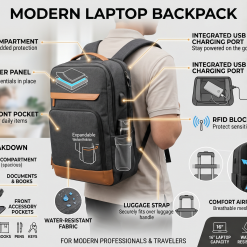 Backpack Laptop Bag
 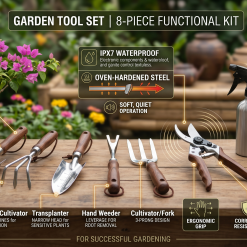 Garden Tool Set 8-Piece
  Wireless Keyboard and Mouse Combo
 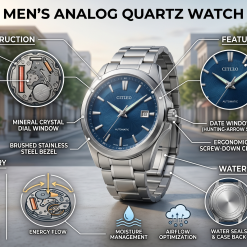 Men's Analog Quartz Watch
 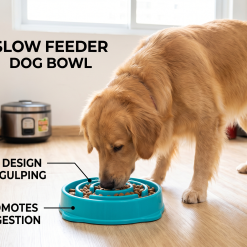 Slow Feeder Dog Bowl
 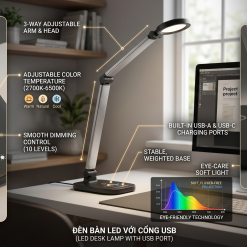 LED Desk Lamp with USB Port
  Men's Running Shoes
 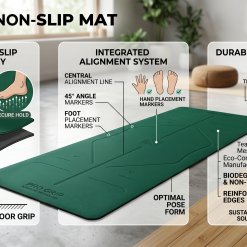 Yoga Mat Non-Slip
 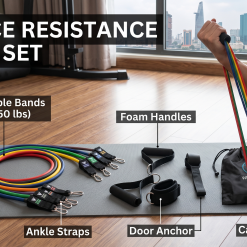 Resistance Bands Set
 Post
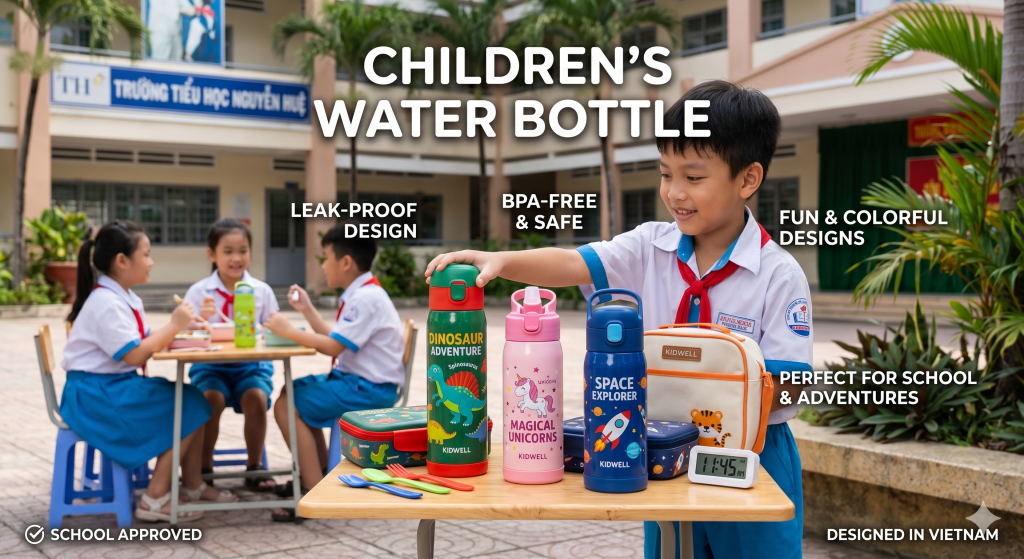
Children’s Water Bottle Review: Leak-Proof and Kid-Approved
07
May
May
Children’s Water Bottle: Do Leak-Proof Kids Bottles Really Work?
A children’s water bottle might look like a simple school accessory, but for parents, it quickly becomes one of the most important daily essentials. The right children’s water bottle can help kids stay hydrated, prevent messy backpack spills, and encourage healthier drinking habits throughout the day.
Modern kids’ bottles are designed to solve three major problems:
- Leakage
- Durability
- Ease of use
But in real-world use, not every children’s water bottle performs equally well.
So the real question is: do leak-proof kids’ bottles actually work, or are they mostly marketing claims?
Let’s break it down properly.
What Makes a Good Children’s Water Bottle?
A good children’s water bottle is not just about cute colors or cartoon characters. It needs to function reliably under real daily conditions—being dropped, tossed into school bags, and handled by small children.
Key features parents usually look for include:
- Leak-proof or spill-resistant design
- Durable materials
- Easy-to-open lids
- Safe straw or drinking spout
- Easy cleaning system
- Comfortable size and weight
According to product testing reviews, the best children’s water bottle designs combine strong sealing systems with durability and kid-friendly usability.
Leak-Proof Design: Does a Children’s Water Bottle Really Prevent Spills?
“Leak-proof” is one of the biggest selling points of a children’s water bottle, but the truth is more nuanced.
In real-life usage:
- Most bottles are leak-proof only when fully closed
- Straw bottles may drip slightly if shaken aggressively
- Pressure inside backpacks or cars can sometimes force small leaks
Many insulated kids’ bottles are tested to resist leaks during normal school use, especially when lids are sealed properly.
However, parents commonly report issues like:
- Flip lids not locking fully
- Straws being left open
- Improper sealing after cleaning
So while a good children’s water bottle can significantly reduce spills, user habits still matter a lot.
Plastic vs Stainless Steel Children’s Water Bottle
Most children’s bottles use either plastic or stainless steel construction.
Each material has strengths and weaknesses.
Plastic Children’s Water Bottle
Advantages
- Lightweight
- Affordable
- Easier for young children to carry
- Often dishwasher safe
Disadvantages
- Less temperature insulation
- May absorb odors over time
- Can wear out faster
A plastic children’s water bottle is usually best for toddlers or younger school-age kids because of its lighter weight.
Stainless Steel Children’s Water Bottle
Advantages
- Keeps drinks cold for hours
- Highly durable
- No condensation outside the bottle
- Long lifespan
Disadvantages
- Heavier than plastic
- More expensive
- Some models require hand washing
An insulated stainless steel children’s water bottle is ideal for school days, outdoor activities, and warm climates.
Studies show cold water retention can encourage kids to drink more consistently throughout the day.
Real-World Durability of a Children’s Water Bottle
Kids are extremely tough on water bottles.
A typical children’s water bottle may be:
- Dropped repeatedly
- Thrown into backpacks
- Used during sports and play
- Left outdoors for hours
Good bottles survive:
- Frequent drops
- Backpack pressure
- Daily washing cycles
Premium stainless steel bottles often last an entire school year or longer without major issues.
Cheaper bottles may:
- Crack after impacts
- Lose sealing strength
- Develop loose lids over time
Durability is often the biggest difference between budget and premium products.
Ease of Use Matters for a Children’s Water Bottle
A children’s water bottle only works well if kids can use it independently.
Important usability factors include:
- Easy-open lids
- One-hand access
- Comfortable grip
- Child-friendly drinking spouts
Many experts recommend simple drinking systems because overly complicated lids discourage hydration.
Popular kid-friendly features include:
- Push-button lids
- Flip-top straws
- Bite valves
However, simpler systems often perform better for younger children.
Cleaning and Hygiene: The Hidden Problem
One of the most overlooked aspects of a children’s water bottle is cleaning.
Common hygiene issues include:
- Straw systems trapping bacteria
- Rubber seals collecting moisture
- Mold buildup in hidden lid areas
Parents frequently report that complicated lid systems become difficult to clean thoroughly over time.
Best cleaning-friendly features:
- Wide bottle opening
- Detachable lid components
- Dishwasher-safe parts
- Minimal small pieces
A simple children’s bottle design is usually easier to maintain and safer long-term.
Real-World Experience With a Children’s Water Bottle
Most parents report similar experiences after regular use.
Positive Experiences
- Kids drink more water
- Fewer backpack leaks
- Better durability during school use
- Cold drinks stay cold longer
- Easy portability
Common Complaints
- Straws may wear out
- Leak-proof systems depend on proper closure
- Some bottles are difficult to clean
- Replacement parts may eventually be needed
In many user discussions, parents agree that no children’s bottle is perfect, but high-quality bottles with simple sealing systems consistently perform better.
Best Use Cases for a Children’s Water Bottle
School Use
A children’s bottle for school should include:
- Strong leak-proof sealing
- Backpack compatibility
- Easy handling for kids
Outdoor Activities
Durability becomes more important.
Insulated bottles perform especially well for sports or outdoor trips.
Home Use
Easy cleaning becomes the top priority.
Portability matters less.
Travel and Sports
Fast drinking access and strong drop resistance become essential.
Common Problems Parents Should Know
Even the best children’s bottle has limitations.
1. No Bottle Is Perfectly Leak-Proof
Most systems only work when fully closed correctly.
2. Straw Components Wear Out
Heavy use may require replacement parts over time.
3. Rubber Seals Can Trap Moisture
Without proper cleaning, odors or mold may develop.
4. Kids Sometimes Misuse Lids
Partially open lids are one of the most common causes of spills.
Is a Children’s Water Bottle Worth Buying?
Yes—a quality children’s bottle is absolutely worth it.
Benefits include:
- Better hydration habits
- Fewer school bag spills
- Long-term durability
- Improved convenience
- Reduced waste from disposable bottles
Compared to disposable bottles or poorly designed cups, a reusable children’s bottle saves money and reduces mess over time.
Final Verdict on Children’s Water Bottles
A children’s bottle is much more than a simple container. It directly affects hydration habits, convenience, cleanliness, and daily school routines.
In Summary
- Leak-proof systems work best when fully closed
- Stainless steel offers better durability and insulation
- Plastic bottles are lighter for younger children
- Cleaning simplicity is extremely important
- Real-world performance depends heavily on usage habits
Final conclusion:
A high-quality children’s bottle is a must-have for school and daily life. The best option is not necessarily the bottle with the most marketing features, but the one that balances durability, ease of use, leak resistance, and easy cleaning for real-world family use.
External Resources
